Blog
What you need to know about the increased Digital Risks following the cyber-attacks on Ukraine
Amidst the ongoing warfare, we were able to track the development of new dedicated and tailored malware (HermeticWiper and Whisper Gate) on the dark web forums, which were specifically crafted for the war. Now there are several reputable sources providing the same intelligence. Technical analysis of the malware indicates their destructive capabilities. Currently, the primary […]

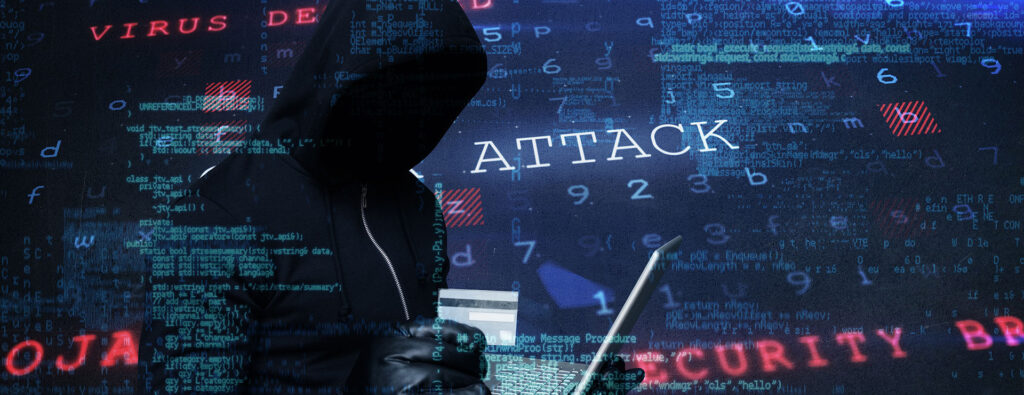
Amidst the ongoing warfare, we were able to track the development of new dedicated and tailored malware (HermeticWiper and Whisper Gate) on the dark web forums, which were specifically crafted for the war. Now there are several reputable sources providing the same intelligence. Technical analysis of the malware indicates their destructive capabilities. Currently, the primary intent and usage are still limited to the cyberwarfare against Ukraine.
However, it is of utmost importance to be aware of these threats and stay prepared, as whenever the military goals for these malware are achieved, they will soon transfer to target commercial markets or even sooner, targeting western organizations due to supporting Ukraine. Which means our businesses might be one of the next targets, either directly or by the supply-chain attacks.
This article covers detailed analysis of known malware used in cyberwarfare, with guidelines on how to mitigate, detect and respond to them.
DOWNLOAD the article ‘What you need to know about the increased Digital Risks following the cyber-attacks on Ukraine ’ by filling out the form.
About the author

David Kasabji
Head of Threat Intelligence
David Kasabji is the Head of Threat Intelligence at the Conscia Group. He leads the development and delivery of actionable intelligence across cyber defense and managed security operations, translating complex threat activity into clear outcomes for different audiences — from SOC analysts and incident responders to executive stakeholders and external communications. His work spans end-to-end intelligence operations: collection and analysis of adversary activity, threat actor and campaign profiling, IOC and TTP development, and intelligence-driven guidance for detection, threat hunting, and security prioritization. David is also actively involved in Digital Forensics and Incident Response, supporting investigations and crisis situations with rapid triage, context, and strategic recommendations. A strong focus of his role is continuously improving how intelligence is operationalized through standardization and automation to ensure it is timely, relevant, and measurable.nd strategic crisis management during incidents.



Related