Filter resources

Credential Leak Checker

Stolen credentials are a leading cause of cyber incidents. This tool helps you identify whether your organisation’s domain is linked to known data breaches and exposed login credentials.

Enter your domain to check for credential leaks and assess your risk.

What is credential leakage?

Credential leakage occurs when usernames, email addresses, and passwords are exposed through data breaches, infostealer malware, or publicly shared datasets.

Once exposed, credentials are often reused in automated attacks such as account takeover or credential stuffing.

Many organisations are affected without being aware of it.

Check your domain for credential leaks

Enter a domain and email to see how many employee credentials in our database are associated with it. Domain ownership verification is required.

Latest ThreatInsights articles

Exploiting trust: the modern cyber threat
200 weeks of ThreatInsights: what our most‑read articles tell us about today’s threat landscape
29 Minutes: The shrinking window between initial access and full compromise
The OpenClaw security crisis
Cisco Cyber Vision: the game-changer for industrial cybersecurity
From SEO Poisoning to Malware Deployment: Malvertising campaign uncovered
SIEMs falling short: 80% of threat techniques go undetected
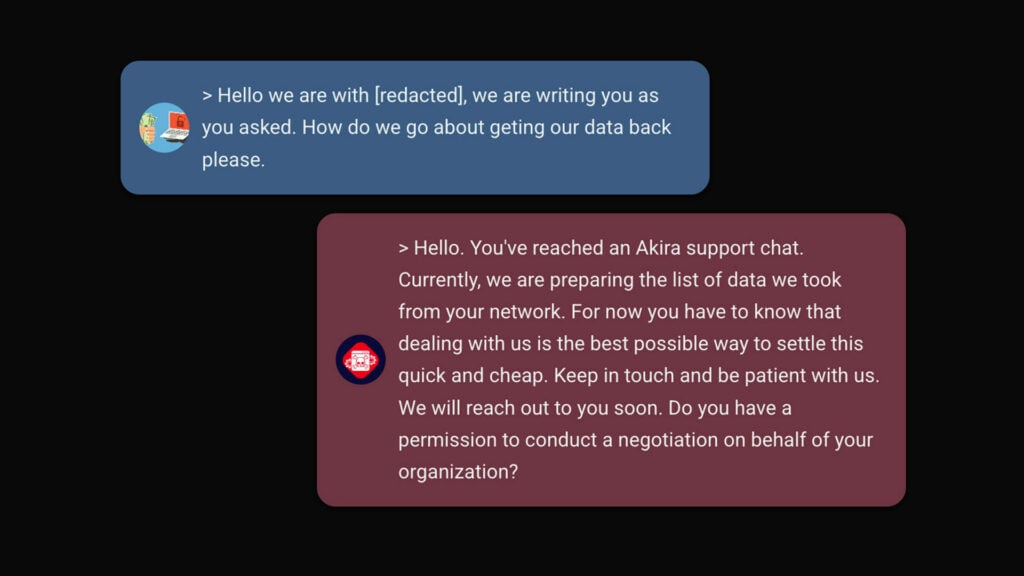
Hackers Turn Advisors: The $500K Irony of Akira Ransomware Gang’s Services
Microsoft LDAP vulnerabilities: Why cybersecurity teams need to act now
Offensive Security and Cyber Threat Intelligence: The Dynamic Duo Against Adversaries
From CAPTCHA to Compromise: Analysis of CAPTCHAclipper
Protecting Your Business from Supply-Chain Attacks: What to Do When Third Parties Are Breached
Exploring the Dark Side of Generative AI: The Rise of Cyber Threats in the Digital Age
OpenAI Sora – Cybersecurity Threat or Opportunity?
The Stealthy Cyber Threat: Abuse of GitHub for Malicious Purposes
Understanding the Risks of Unprompted One-Time Passcodes in Cybersecurity
Deep Dive into the May 2023 Cyber Attack on Danish Energy Infrastructure
What can we learn from recent Okta breaches?
New Critical Vulnerability in Cisco IOS XE Software Poses Cybersecurity Concerns
Enumeration Attacks: A Deep Dive into Threat Actors Generating Valid Payment Data
Adversary-In-The-Middle Attack: A novel way to evade MFA
How Cybercriminals Exploit Legitimate Internet Services for Malicious Purposes
Defending Against Infostealer Malware Attacks: A Comprehensive Guide for Organizations
Cloud Storage Risk Assessment: Our privacy rests… at risk?
Understanding Vulnerability Lifecycle to Better Combat Exploits
CL0P Group – Analysis of European’s rising ransomware threat
Danish cloud-hosting provider hit by devastating ransomware attack.
A look into Living off the Land adversarial technique
How could AI simplify malware attacks, and why is this worrying?
Digital Forensics: Discovering Threat Actor’s traces using Recycle Bin
Season’s Greetings from Cybercriminals
Phishing as a Service (PHaaS) – an effective attack vector for all threat actors
New 0-day vulnerabilities in Microsoft Exchange Server actively exploited
Insider Threats: What are they and how to mitigate them
Diving Deep: How to detect Malware Persistency pt. 1
Diving Deep: How to detect Typosquatting
Vulnerability Spotlight: How to detect Follina the Windows MSDT 0-day 
Diving Deep: Malware Injection Techniques
Ransomware-as-a-Service: An infamously lucrative business model
Conti Ransomware Gang falls apart
Increased threat against industries leveraging ICS and SCADA devices
What you need to know about the increased Digital Risks following the cyber-attacks on Ukraine